North bank of the Hương River, on Trần Hưng Đạo
Đông Ba Market
Huế's biggest market, burned, moved and rebuilt more than once — and still the region's map drawn in goods.
The story
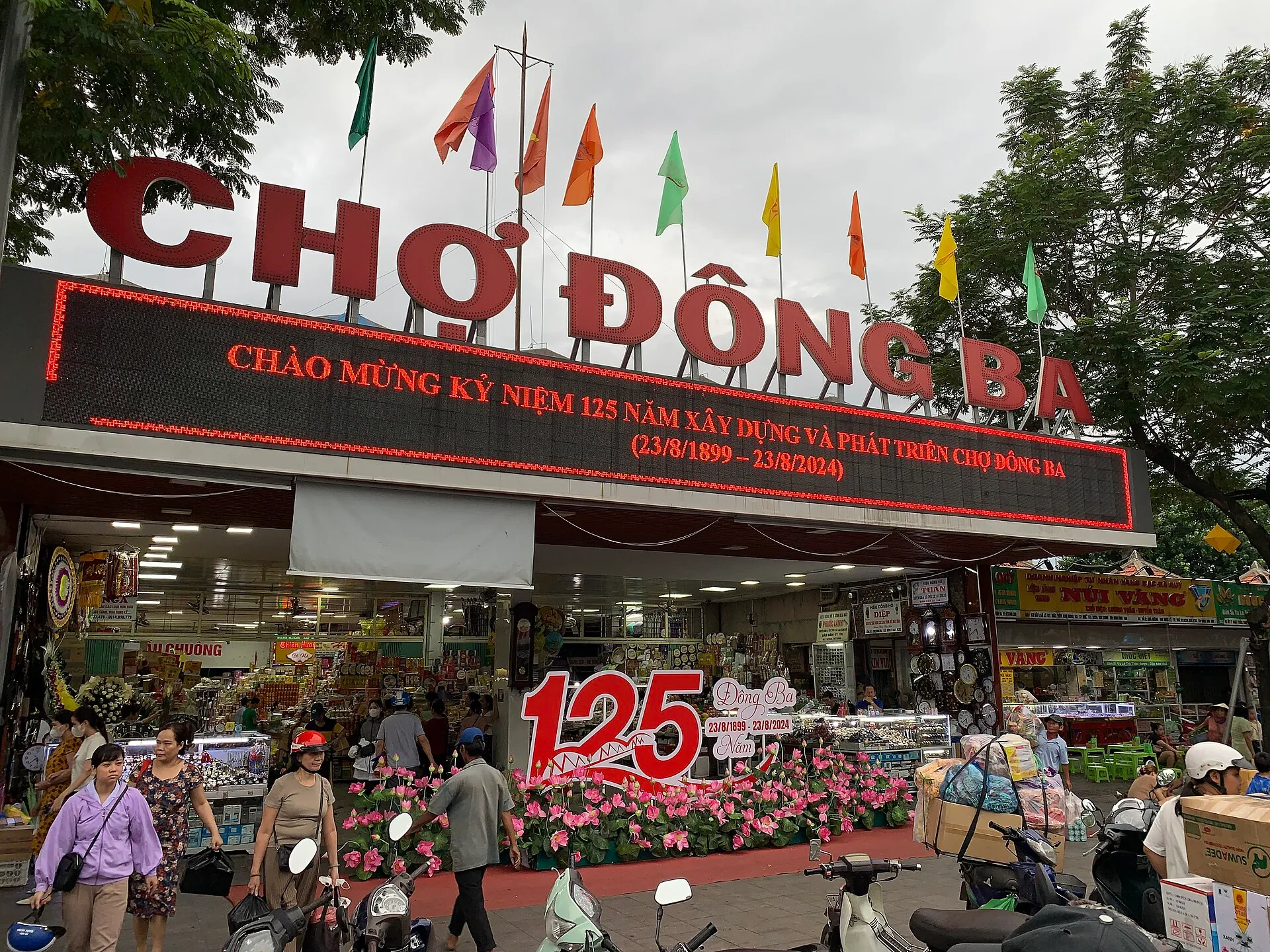
From Trần Hưng Đạo you see the market's bell tower before you reach the gate. Motorbikes are parked thick on both sides, vendors sit in long rows, and inside is a small city: food stalls, fabric, dried goods, household wares, and stands that sell only one thing. The market runs along the north bank of the Hương River, about a hundred metres north of the Trường Tiền bridge.
It has moved and changed names more than once. Under Gia Long, outside the Chánh Đông gate stood a large market called Qui Giả thị — the market of those who returned, marking the return of the Nguyễn army to Phú Xuân. In the summer of 1885 the capital fell and the market was burned by the French. In 1887 Emperor Đồng Khánh had it rebuilt and renamed it Đông Ba. In 1899 Emperor Thành Thái moved it to its present site; the old market hall became the Pháp Việt Đông Ba school.
Under Thành Thái the market had four rows of stalls: front, back, left and right. At the centre stood a square, three-storey tower; the ground floor had four walls with two doors each, and the upper floor had clocks on all four sides marking the hours. Inside the market was a stone well with a pump: turn the handle and the water rose and spilled out. In the early twentieth century the market was repaired several times but kept its old character.
In 1967 the old market was demolished for a new building; the unfinished structure was destroyed by bombs during the 1968 Tết offensive. It was patched up, then extensively restored in 1987. Today nine rows of buildings surround it, with four newer sections, on a built area of 15,597 square metres; the management also runs the Chương Dương garden area and car parks, bringing the total to more than 47,614 square metres, with 2,543 permanent businesses, 141 kiosks and 500–700 itinerant vendors. Between 5,000 and 7,000 people come each day.
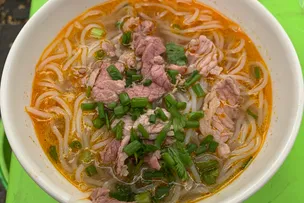
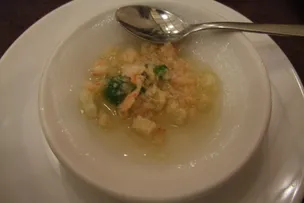
What makes Đông Ba worth seeing is not only its size. This is where the region's best-known products sit side by side: Phú Cam conical hats, Hiền Lương knives, Kế Môn jewellery, Song Hỷ sesame candy, Truồi tea, Tuần tea, Hương Cần oranges, Lại Bằng thanh trà, dried lotus from Tịnh lake, and Sình village paper offerings — along with cơm hến, bún bò, leaf-wrapped cakes, shrimp sausage and bánh khoái. Walk one loop, choose one thing to eat and one to take home. The market is the region's map, written in goods.
What to look for
- The bell tower at the centre, seen from Trần Hưng Đạo.
- Long rows of stalls, each row almost a trade of its own.
- The food section: cơm hến, bún bò, leaf-wrapped cakes, shrimp sausage, bánh khoái.
- Local goods: Phú Cam hats, sesame candy, thanh trà fruit, dried lotus, Sình paper offerings.
Getting there & etiquette
- Go early: cooler, fresher produce and fewer crowds.
- Watch your bag; the market is busy and full of narrow lanes.
- Bargain politely; many stalls do not display prices.
- Hours vary — the food section is busiest in the morning.